1. Define the product and intended use
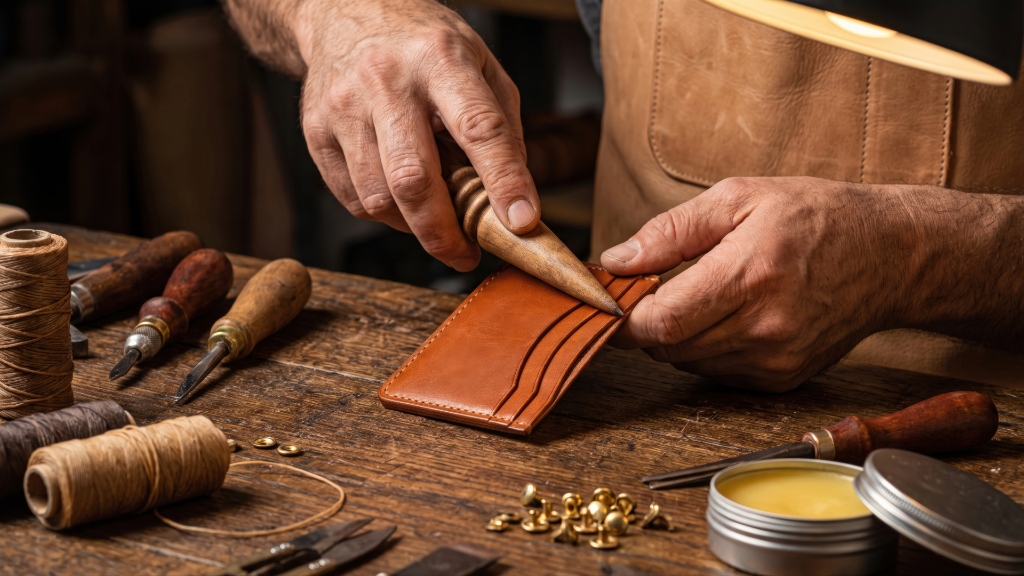
Start with drawings, a tech pack, reference photographs or a physical reference. Include dimensions and the use case: a work tote, laptop briefcase and travel duffel need different handling and capacity details.
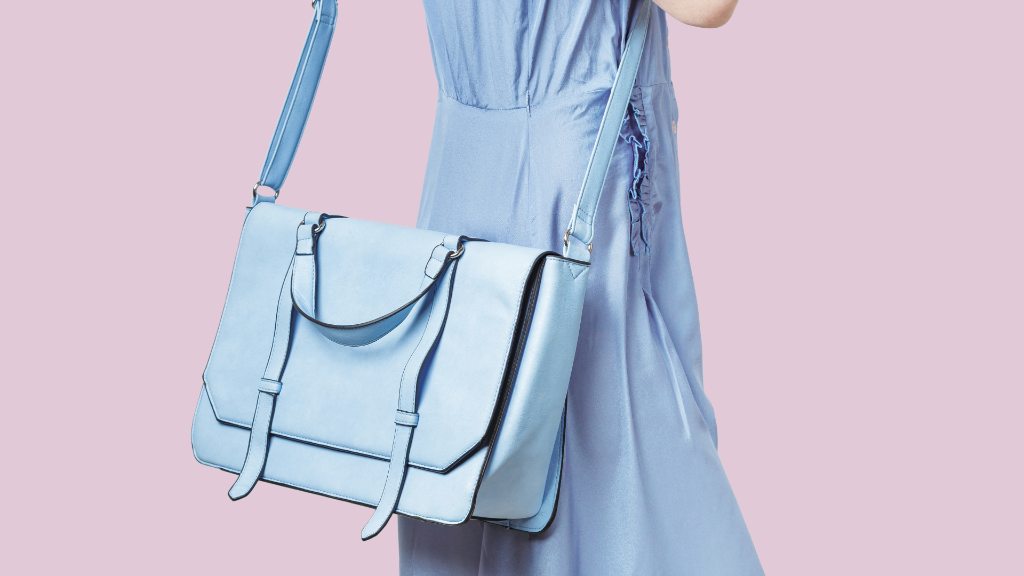
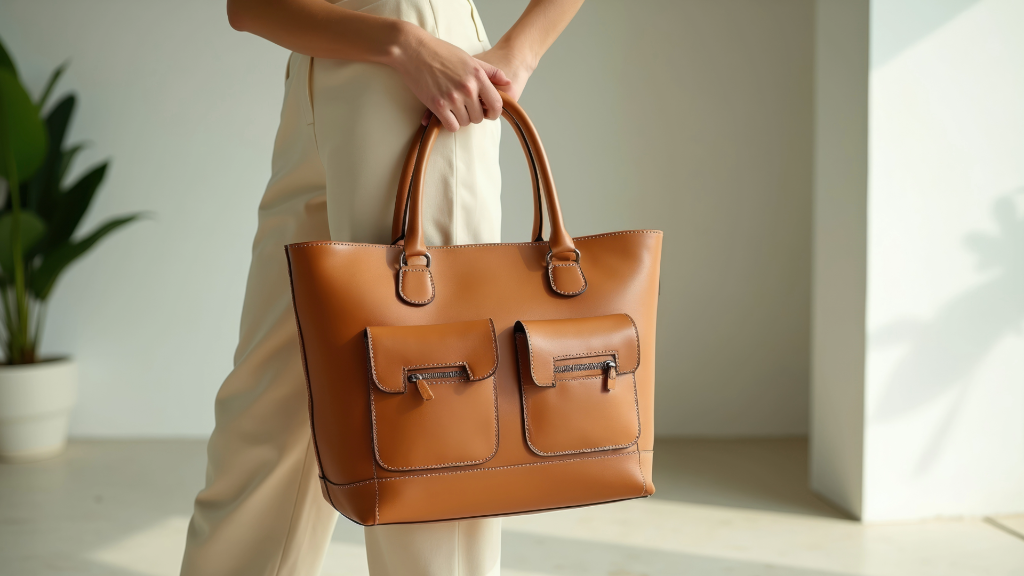
List the compartments, closures, handles, straps, lining, hardware and logo position. If your design is still developing, identify which choices are fixed and which you want the pattern team to propose.
2. Agree materials, branding and the sample scope
Review the leather grain, thickness, color and feel, along with lining and hardware finishes. Specify whether stock materials can be used for the first construction sample or whether you need the intended custom color and branded components immediately.
Confirm the sample fee, tooling requirements, revision scope and courier charges in writing. If designs are confidential, arrange an NDA before exchanging proprietary files. A website inquiry is not itself a signed NDA.
- Material swatch and color reference.
- Logo artwork, size and position.
- Hardware finish and any bespoke tooling.
- What is included in the first sample and any revision round.
3. Separate development time from courier transit
Unicon Leather publishes stock-leather development timelines of 5–7 business days for wallets and belts and 7–14 business days for bags and jackets. Custom dye or tooling can add 7–10 business days. Confirm the timeline for the chosen SKU and specification in your quotation.
Courier transit is additional and depends on destination and shipping arrangements. Clarify when development begins, which approvals are needed first and whether a revision changes the schedule. These planning timelines are not guaranteed arrival dates.
4. Review the physical sample against a checklist
Measure the sample and compare it with the agreed specification. Check the leather appearance, lining, closure operation, handle comfort, strap adjustment, pockets, edge finish, logo position and packaging.
Test the intended fit using the actual item the bag should carry. A nominal laptop size does not confirm that every device will fit. For load, abrasion, colorfastness or chemical requirements, agree the test method and acceptance criteria rather than relying on appearance alone.
- Record measured dimensions and usable compartment space.
- Photograph any issues with a ruler or clear location reference.
- Separate essential corrections from optional design changes.
- State whether artwork, materials or components remain provisional.
5. Consolidate revisions and approve the production reference
Send one numbered revision list with annotated photographs. Resolve conflicting comments before requesting a revised sample. Where a material or hardware item changes, confirm whether the change also affects price or lead time.
Before bulk production, approve the final sample and dated specification in writing. Retain an agreed reference for later quality inspection. The production plan should state which features have been approved, what testing is required and whether any component is still awaiting confirmation.
6. Confirm production and shipment milestones
Bulk lead time is separate from sampling and varies by product. Use the lead time shown on the product page as a starting point, then confirm the final schedule, material procurement, approvals and payment milestones in the written order.
Agree the inspection stage and shipping terms before dispatch. Ask the export desk which sample costs, if any, are credited against the bulk order and under what conditions. Confirming this early avoids assumptions about refunds or credits.